Hey there, fellow yarn lovers! Are you ready to bring a little handmade charm and a burst of greenery into your space? Get excited because today, we’re diving into the delightful world of crochet with 6 adorable Mini Hanging Plant Crochet Patterns! Imagine tiny, vibrant crochet creations, mimicking the beauty of succulents, trailing vines, and leafy friends, all ready to be hung from your favorite hooks or shelves. These little gems are the perfect way to add a touch of bohemian flair to any corner of your home, and they make incredibly thoughtful, handmade gifts!
Whether you’re just starting your crochet journey or you’re a seasoned pro looking for a quick and rewarding project, these patterns are designed with you in mind. We’ll be exploring simple stitches, clever shaping, and fun color combinations to bring these mini wonders to life. So grab your hook and some colorful yarn – let’s get crocheting and create some plant-tastic decor!

Grow Your Green Thumb (and Crochet Skills!) with 6 Adorable Mini Hanging Plant Crochet Patterns
Are you a plant lover with a burgeoning crochet addiction? Or perhaps you’re looking for a charming and unique way to add a touch of greenery to your home without the watering chores? Then look no further! This collection of 6 Mini Hanging Plant Crochet Patterns is designed to bring you joy, creativity, and a whole lot of adorable little crochet buddies. These quick and satisfying projects are perfect for using up scrap yarn, honing your crochet skills, and creating delightful décor for yourself or as thoughtful handmade gifts. Let’s dive into the wonderful world of mini crochet plants!
Yarn and Hook Recommendations for Blooming Success
The beauty of crochet is its versatility, and these mini plants are no exception. While the patterns are designed to be flexible, using the right materials will help you achieve the best results.
Choosing Your Yarn:
For these mini plants, we recommend using worsted-weight yarn. This is a popular and readily available yarn weight that offers a good balance of structure and softness. Cotton blends are particularly fantastic for amigurumi-style projects like these plants because they have a lovely stitch definition and hold their shape well. Acrylic yarns are also a great, budget-friendly option and come in an incredible array of colors.
Worsted-weight cotton or cotton blends: For excellent stitch definition and a slightly structured feel.
Worsted-weight acrylic: A versatile and affordable choice with endless color possibilities.
DK-weight yarn: If you want even smaller, daintier plants, consider using a double knitting (DK) weight yarn. Just remember to adjust your hook size accordingly!
When it comes to color, the sky’s the limit! Think vibrant greens for leaves, earthy browns and terracottas for pots, and pops of brighter colors for imaginary blooms or decorative elements.
Hooking Up Your Creations:
The crochet hook size you choose will significantly impact the size and density of your finished plant. For typical worsted-weight yarn, a 3.5mm (E-4) or 4.0mm (G-6) crochet hook is usually a good starting point.
Smaller hook (e.g., 3.5mm): Will result in tighter stitches, making your plant more firm and preventing stuffing from showing through. This is ideal for amigurumi-style projects.
Larger hook (e.g., 4.0mm): Will create looser stitches, resulting in a slightly larger and more open fabric.
Always check the yarn label for its recommended hook size, and don’t be afraid to experiment! Holding your yarn and hook together, try crocheting a small swatch. If you can easily see through your stitches, try a smaller hook. If the fabric feels too stiff, try a slightly larger one.
Mastering the Stitches: Your Crochet Toolkit
These mini hanging plant patterns primarily utilize a few fundamental crochet stitches, making them accessible even for those who are relatively new to the craft.
Essential Stitch Techniques:
Magic Ring (or Magic Circle): This is the foundation for creating seamless circles, perfect for the pots and some leaf bases. It allows you to start with a tight, adjustable loop.
Single Crochet (sc): The workhorse of amigurumi! Single crochet stitches create a dense and sturdy fabric, essential for shaping your plant parts.
Increase (inc): To make your crochet fabric grow, you’ll use increases, which typically involve working two single crochet stitches into the same stitch.
Decrease (dec): To make your crochet fabric smaller or shape it, you’ll use decreases. The most common method for amigurumi is the invisible decrease, which involves working into the front loops only of two stitches. This creates a neater, less noticeable decrease.
Slip Stitch (sl st): Used to join rounds and to move your yarn to a different spot without adding height.
Chain (ch): The basic building block of crochet, used to create foundation rows and decorative elements.
Understanding these basic stitches will unlock the ability to create all six of these charming plant designs.
Tips for Beginners: Nurturing Your Crochet Journey
Embarking on a new crochet project can feel a little daunting, but with a few helpful tips, you’ll be crocheting these mini plants with confidence in no time!
Planting the Seeds of Success:
Read Through the Entire Pattern First: Before you even pick up your hook, take a moment to read through each pattern completely. This will give you an overview of the project and help you anticipate any tricky steps.
Use a Stitch Marker: These little lifesavers are invaluable for marking the beginning of rounds, especially when working in continuous spirals. This prevents you from losing your place.
Don’t Be Afraid of Frogging: “Frogging” is crochet slang for unraveling your work. It happens to everyone! If you make a mistake, it’s often easier and cleaner to unravel a few stitches or rows than to try and fix it mid-project.
Stuffing is Key: For amigurumi, stuffing is crucial for giving your plants their shape and structure. Use polyester fiberfill and stuff firmly but not so tightly that your stitches stretch out. Stuff as you go to make it easier.
Weave in Your Ends Neatly: Once you’ve finished crocheting and stuffing, securely weave in all your yarn tails. This not only makes your finished piece look professional but also prevents it from falling apart.
Practice Makes Perfect: If you’re new to a particular stitch, like the magic ring or invisible decrease, practice it a few times on a scrap piece of yarn before you start your actual project.
Cultivating Creativity: Customizing Your Mini Plants
One of the most exciting aspects of crochet is the endless potential for customization. These mini hanging plant patterns are a blank canvas for your imagination!
Pots of Possibilities:
Color Play: Don’t feel limited to traditional pot colors. Experiment with ombre yarns, variegated yarns, or create stripes by changing colors every few rounds. You can also create “painted” effects by switching to a new color for just one round.
Size Variations: As mentioned, using a different weight yarn and adjusting your hook size will directly affect the final size of your plants. You can also easily adjust the number of increase and decrease rounds to make your pots taller or wider.
Adding Embellishments: Get creative with decorative elements!
Leaves: Crochet extra leaves in different shapes and sizes to attach to your plants.
Flowers/Berries: Add small crocheted flowers or berries for a touch of extra color and detail.
Faces: For a whimsical touch, embroider small eyes and a mouth onto your plant pots.
Texture: Experiment with different stitches for the leaves, like the bobble stitch or puff stitch, to add visual interest.
Caring for Your Crochet Greens: Keeping Them Blooming
These crochet plants are wonderfully low-maintenance, but a little care will ensure they stay looking their best for years to come.
Keeping Them Lush and Lovely:
Dusting: Gently dust your crochet plants with a soft brush or a lint roller to remove any accumulated dust.
Spot Cleaning: If your plant gets a little mark, try spot cleaning with a damp cloth and a tiny amount of mild soap. Gently blot the area and allow it to air dry completely. Avoid harsh scrubbing.
Washing (with caution): If a deep clean is necessary, hand wash your crochet plant in cool water with a small amount of wool wash or mild detergent. Gently squeeze out excess water (do not wring or twist). Reshape the plant and lay it flat on a towel to air dry. Avoid machine washing or drying, as this can distort the shape and fibers.
Sunlight: While real plants love sunlight, prolonged exposure to direct sunlight can cause yarn colors to fade over time. Display your crochet plants away from intense direct light to preserve their vibrancy.
Project Ideas: Where Your Mini Plants Will Flourish
These charming mini hanging plants are incredibly versatile and can be used in so many delightful ways!
Blooming Displays:
Hanging Décor: The most obvious use! Hang them from shelves, curtain rods, plant hangers, or even rearview mirrors in your car.
Gift Toppers: Add a unique and handmade touch to presents by attaching a mini crochet plant to the gift wrap.
Party Favors: Create a set of these for a garden-themed party or as a special treat for guests.
Seasonal Decorations: Customize colors to match holidays – think autumnal oranges and browns, or festive reds and greens.
Book Charms: Attach a small loop to one of the leaves and use it as a charming bookmark.
Keychains: Add a sturdy keychain ring to your smallest creations for a pop of color on your keys.
Sensory Play: For children, these soft, tactile plants can be a wonderful addition to a play kitchen or a sensory bin.
With these 6 Mini Hanging Plant Crochet Patterns, you’re set to embark on a delightful crafting adventure. So grab your yarn, hook up some joy, and let your creativity bloom!
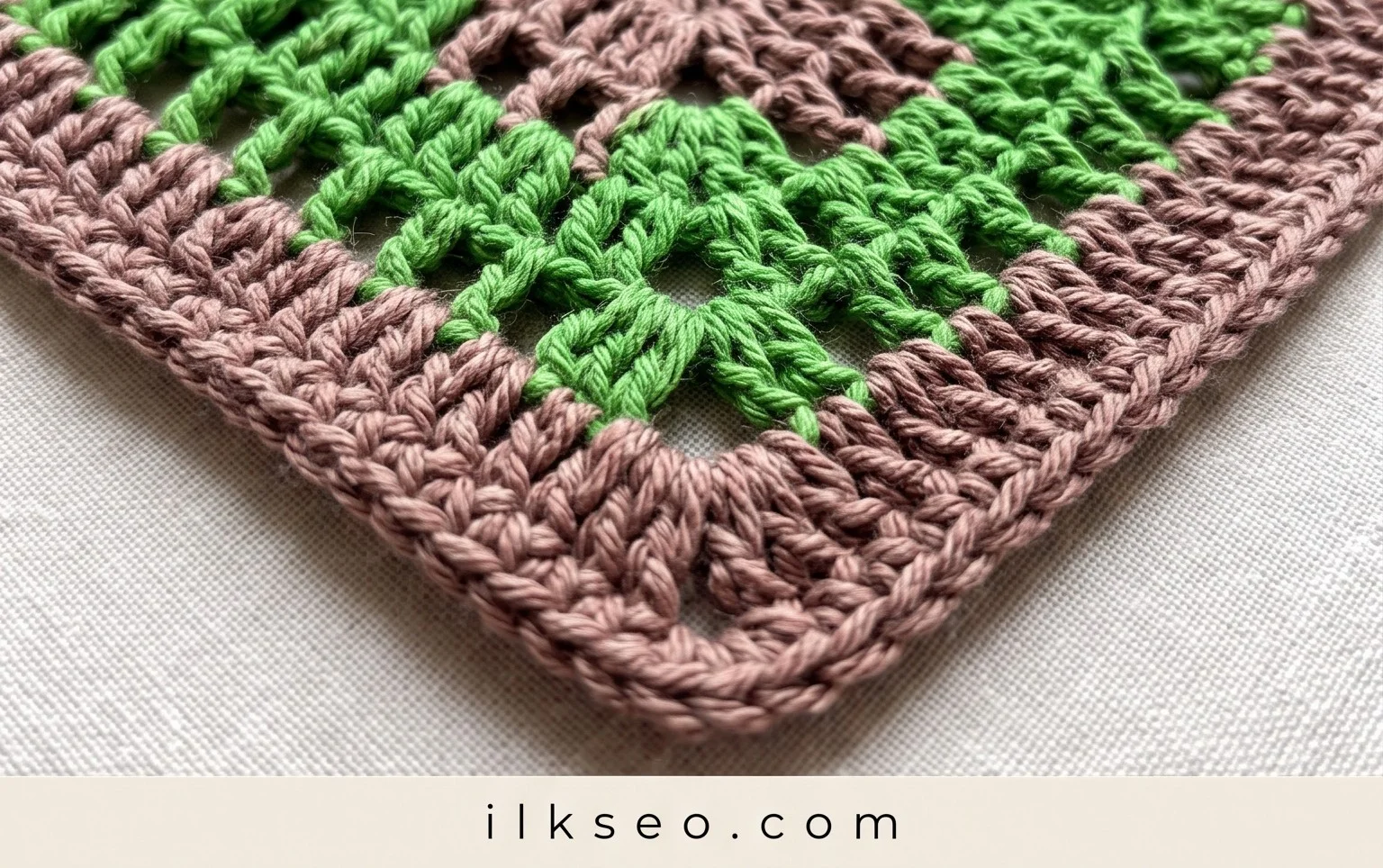
We hope you’ve enjoyed exploring these delightful mini hanging plant crochet patterns! Whether you’re a seasoned crocheter or just starting out, these little projects are perfect for adding a touch of handmade charm to your home. We can’t wait to see what beautiful creations you bring to life!
Don’t forget to share your finished mini plants on social media using # – we’d love to see your unique color choices and styling. Feel free to experiment with different yarn weights, colors, or even add beads for a touch of sparkle! Ready for your next crochet adventure? Explore our collection of [Link to More Patterns] for even more inspiring projects!